Thalassery Sessions Court orders further probe into ADM Naveen Babu’s death
The Thalassery District Sessions Court on Monday ordered a further probe into the death of late Additional District Magistrate (ADM) Naveen Babu.
The Bengalis are endowed with a unique talent of saying a lot without saying much. There are some Bengali words that are untranslatable in other languages.




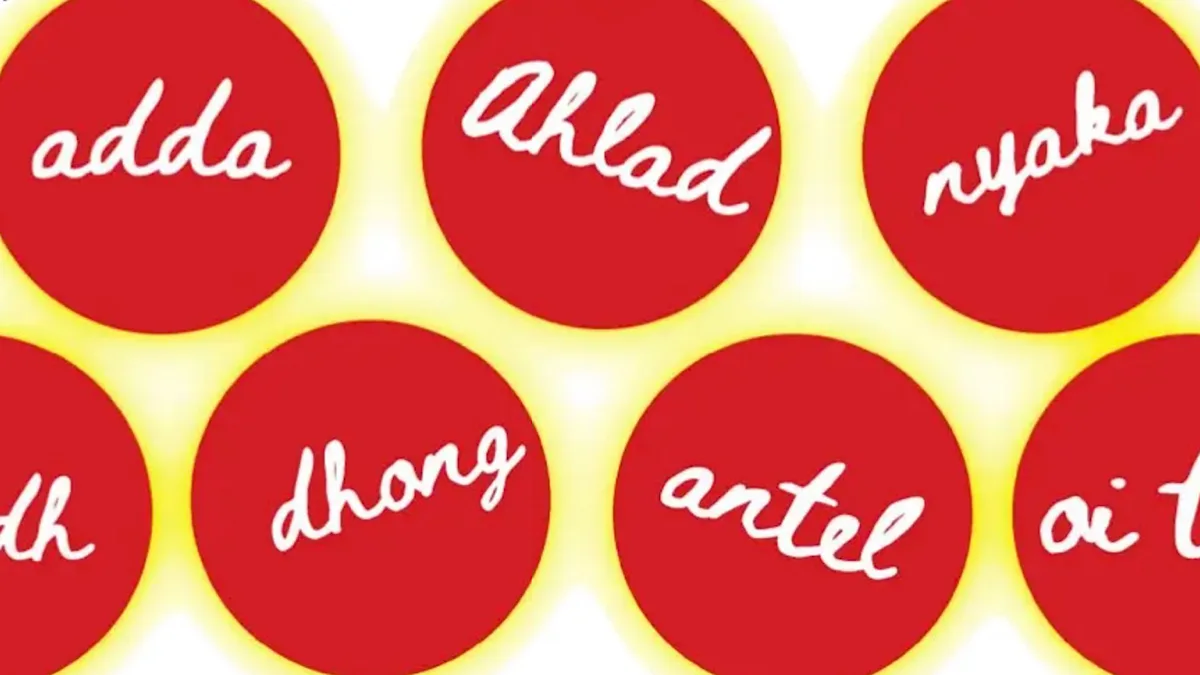
Photo:SNS
The Bengalis are endowed with a unique talent of saying a lot without saying much. There are some Bengali words that are untranslatable in other languages. They are effortlessly funny. If you export them, they lose their mischief, their meaning. It is best to say, they lose their ‘bangaliyana.’ We have skilfully crafted our own vocabulary with such words. They do not explain themselves fully, because they do not need to. They rely on shared understanding, on tone, on the pause that comes before or after they are spoken. These words survive not because they are useful but they help us name everyday behaviour without being cruel, judgmental without being harsh, funny without trying to be clever. They come from tea stalls, para gossip, family lunch tables, classrooms, and buses — places where our language is the most alive and unfiltered.
Take adda. On the surface, it is simply people talking. But inside the word lives time that is deliberately wasted, thoughts that wander, arguments that lead nowhere, and friendships that deepen without effort. It suggests comfort, belonging, and the idea that not every moment needs to be productive. No single English word can hold all of that at once.
Advertisement
You can call lyadh laziness, but only if you ignore the quiet pleasure of doing nothing on purpose. It is not just about being lazy; it captures a specific mood — a slow afternoon, an unmade bed, the gentle resistance to urgency. There is humour in it, but also tenderness. Lyadh forgives stillness.
Advertisement
Words like antel and nyaka sharpen observation into wit. They describe people, but without cruelty. An antel is not condemned for knowing too much; they are gently teased for letting knowledge become performance. Nyaka catches exaggeration mid-act — sweetness that feels rehearsed, emotion that arrives a little too perfectly timed. The words do not accuse; they simply point and allow the listener to smile.
Dhong is even more economical. One word exposes pretence, false drama, and unnecessary display. It ends debates without raising its voice. In literature and in life, it works as a quiet unmasking.
Then there is rosikota — humour that does not rush towards laughter. It prefers suggestion to declaration, irony to punchlines. Often, its effect arrives late, after the sentence has ended. Bengali literature has long valued this kind of delayed amusement, where understanding becomes the reward.
Ahlad captures excess feeling — joy worn too openly, love demanded too loudly. It is affectionate but cautious, a reminder that emotions, like stories, are best held with a little restraint.
And finally, oi toh. Two small words that depend entirely on context. It relies on shared memory, shared experience, shared impatience. Two small words that can end a whole conversation. It means “you know already” — even when you don’t. Only Bengalis can explain everything by explaining nothing.
To outsiders, these may sound like colourful colloquialisms. To Bengalis, they are cultural symbols—compressed histories of how we observe, judge, mock, and forgive one another. They carry our humour, our impatience, our irony, and our talent for turning everyday life into theatre. In a time when we are constantly searching for global equivalents and neat translations, these untranslatable Bengali words continue to resist simplification. Maybe that is why they make us laugh — not because they are jokes, but because they tell the truth, briefly and without apolog
Advertisement